Commercial Waste Removal Swiss Cottage — Recycling and Sustainability
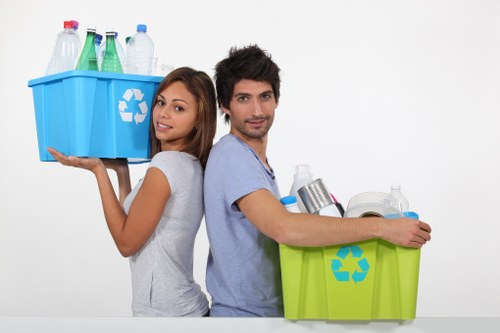
Our Commercial Waste Removal Swiss Cottage services focus on creating an eco-friendly waste disposal area and a truly sustainable rubbish area for local businesses. We work with retailers, offices, cafes and light industrial clients in and around Swiss Cottage to reduce landfill, keep reusable materials in the economy, and support borough-level recycling initiatives. This page explains targets, operational logistics, and how we partner locally to maximise reuse and recycling.
 Local policy context matters: the approach to waste separation in neighbouring boroughs typically encourages separate food waste, glass, paper and mixed recycling streams to improve recovery rates. Our Swiss Cottage commercial waste collection plans are designed to dovetail with borough schemes, with labelled containers for dry recyclables, food/organic streams, and secure waste for regulated items. We also offer guidance on on-site segregation to help businesses reach measurable recycling outcomes.
Recycling percentage target and measurable goals
We set an ambitious, measurable recycling percentage target for our commercial clients: a primary goal of 80% recycling rate by 2030 for recoverable materials from Swiss Cottage business waste streams, with an interim target of 70% within three years. These targets cover paper, card, glass, metals, textiles, bulky furniture and certain types of construction waste. Progress is tracked through monthly reporting and waste audits that allocate tonnages to recycling, reuse and residual disposal.
 To reach these targets we implement practical site measures: clear container signage, bespoke skip and bin sizing, and scheduled segregation checks. We also provide regular training sessions (digital or on-site) so staff understand what goes where, reducing contamination rates and increasing the capture of recyclable materials.
Local transfer stations and materials processing
Our collections are routed to nearby transfer stations and materials recovery facilities (MRFs) that serve NW3 and adjacent boroughs. We use local transfer stations and regional MRFs to avoid long haulage distances and to speed up sorting and diversion. This approach supports a lower lifecycle impact for each tonne collected and ensures that paper, glass, metals and plastics are directed to the right processing streams.
Typical logistical arrangements include consolidated loads to transfer hubs and segregated containers for organics and recyclable commodities. Where applicable we divert bulky items to reuse centres or to specialist processors for deconstruction and material recovery, helping to meet the circular economy principles promoted by local authorities.
Partnerships with charities and social enterprises form a central part of our sustainable rubbish area operations. We collaborate with local charities to receive usable office furniture, surplus uniforms, textiles and consumer items so they can be refurbished and rehomed. This reduces disposal costs for businesses and generates social value in Swiss Cottage and surrounding communities.
Examples of partnership activity include scheduled bulk collections for reuse, charity-led drop-off days, and coordinated e-waste drives where usable electronics are assessed, reused or responsibly recycled by accredited social enterprises. By routing appropriate goods to charitable partners we increase reuse rates and support local social outcomes.
 Our fleet includes low-carbon vans and a growing number of electric vehicles for local collections. Using low-carbon vans reduces emissions on inner-city routes and complements efforts to lower the carbon footprint of commercial waste removal in Swiss Cottage. Route optimisation and load consolidation further cut fuel use and emissions.
To help businesses meet the recycling percentage target we offer tailored service plans and easy-to-follow segregation schemes. Actionable steps include:
- On-site waste audits and bespoke bin placement
- Colour-coded streams for paper/card, glass, cans, plastics and organics
- Scheduled charity collections for reuseable items
- Reporting dashboards showing tonnes diverted and percentage recycled
Monitoring and continuous improvement are built into each contract. We deliver monthly diversion reports, contamination alerts and quarterly workshops that explain how businesses can reduce residual waste and increase capture of high-value recyclables. These reports support compliance with environmental policies and provide clear evidence of progress towards the 80% goal.
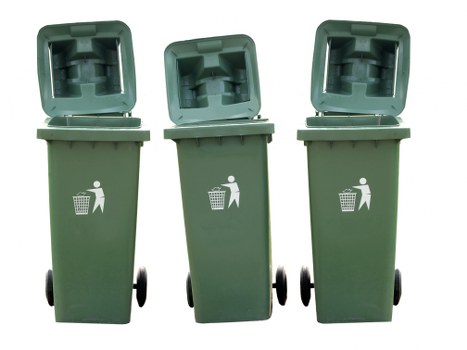 Compliance, traceability and responsible disposal are key: every stream leaving a site is tracked with manifesting and destination reporting. For regulated waste streams such as WEEE or hazardous materials we ensure transfer to licensed processors and provide full documentation, while metals, paper and plastics are sent to certified recyclers to maximise recovery and reduce the demand for virgin materials.
Commercial waste removal in Swiss Cottage is evolving: by combining low-carbon logistics, charity partnerships, local transfer station routing and rigorous segregation we create a credible, scalable model for a sustainable rubbish area. Whether you manage a small shop, a large office block or a hospitality venue, aligning with this model reduces environmental impact and helps meet borough and corporate sustainability commitments.
In summary, our approach to Swiss Cottage commercial rubbish and recycling emphasises reuse, recovery and reduction. We provide operational support, measurable targets, and local partnerships that turn waste into a resource. Together with local authorities and social partners, we aim to build an efficient eco-friendly waste disposal area that benefits businesses and the wider community.
Get involved: adopt clear separation, make use of charity uplift programs, and choose providers who operate low-carbon vans and transparent transfer station routes — these practical steps help create a greener commercial waste ecosystem in Swiss Cottage.
